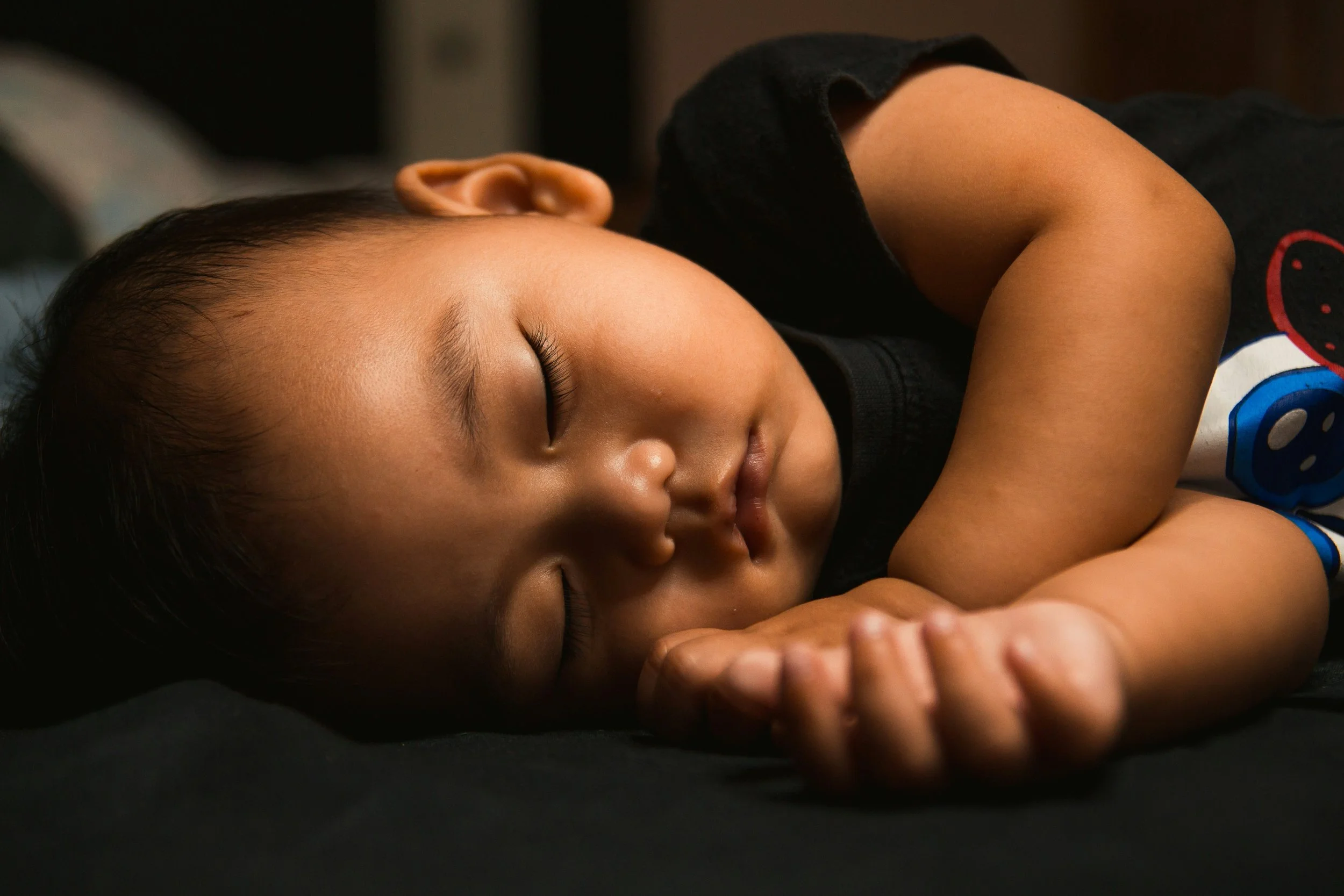
It's Not Laziness. It's Biology.
"Why won't you just go to bed earlier?!"
If you've said this to your teenager, you're not alone. And if you're a teen reading this wondering why everyone thinks you're being difficult—you're not.
Teen sleep is one of the most misunderstood topics in family life. The friction it creates between parents and teens is real, exhausting, and almost entirely based on a misunderstanding of what's actually happening biologically.
Here's the truth: teenagers are wired to fall asleep later and wake up later. This isn't a attitude problem. It isn't a phone problem. It's puberty.
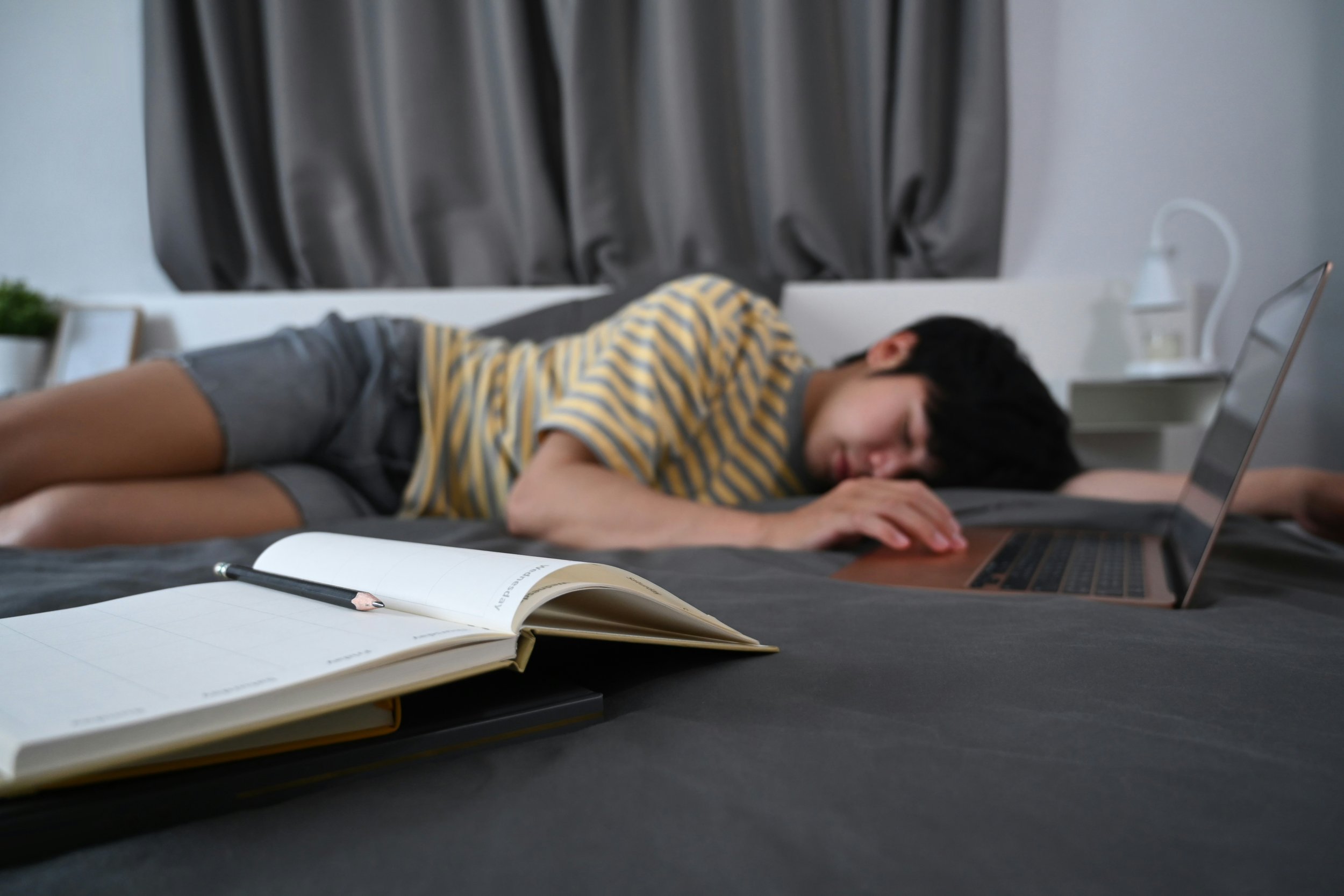
Teen Sleep
Age 13-19
What's Actually Going On
~
What's Actually Going On ~
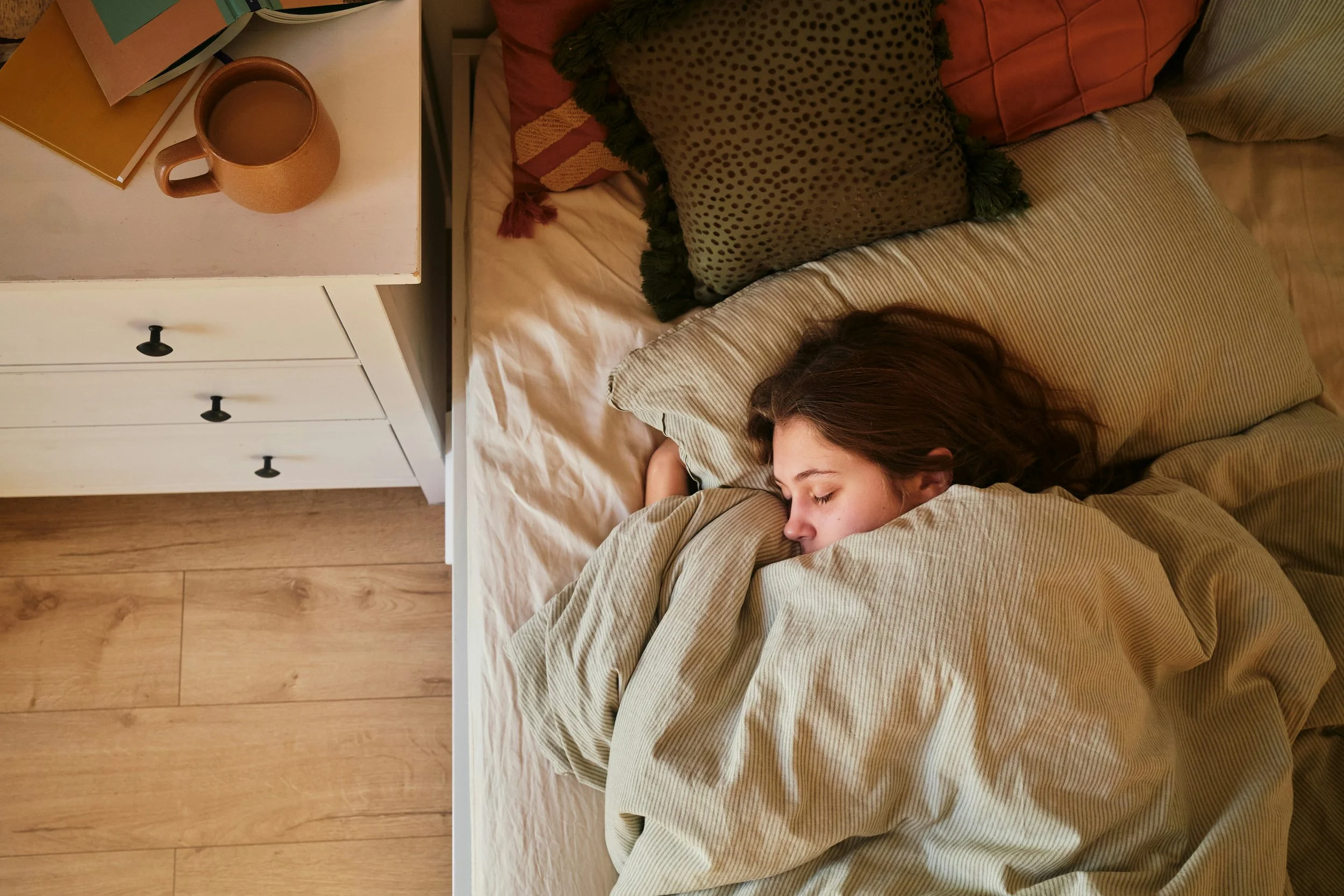
During puberty, the brain's internal clock shifts—pushing the natural sleep window later by 1-3 hours. This means a teen who "should" be asleep by 10pm may not even begin to feel genuinely sleepy until midnight or later.
This shift has been observed across more than 16 countries and in multiple mammalian species. It's not a modern phenomenon created by screens. It's biology.
At the same time, teens build up sleep pressure more slowly in the evening than younger children or adults. They literally don't feel tired as early. And their brains are more sensitive to the sleep-delaying effects of evening light—which means screens, bright lights, and stimulating activities in the evening push their clock even later.
Then the alarm goes off at 6:30am for school.
The result? Chronic sleep deprivation that affects mood, focus, academic performance, emotional regulation, and physical health. And a household full of frustration on all sides.
Teens generally need 8-10 hours of sleep per night. Younger teens—whose bodies are working hardest through puberty—tend to need more. And most are getting far less.
The Anxiety-Performance Spiral
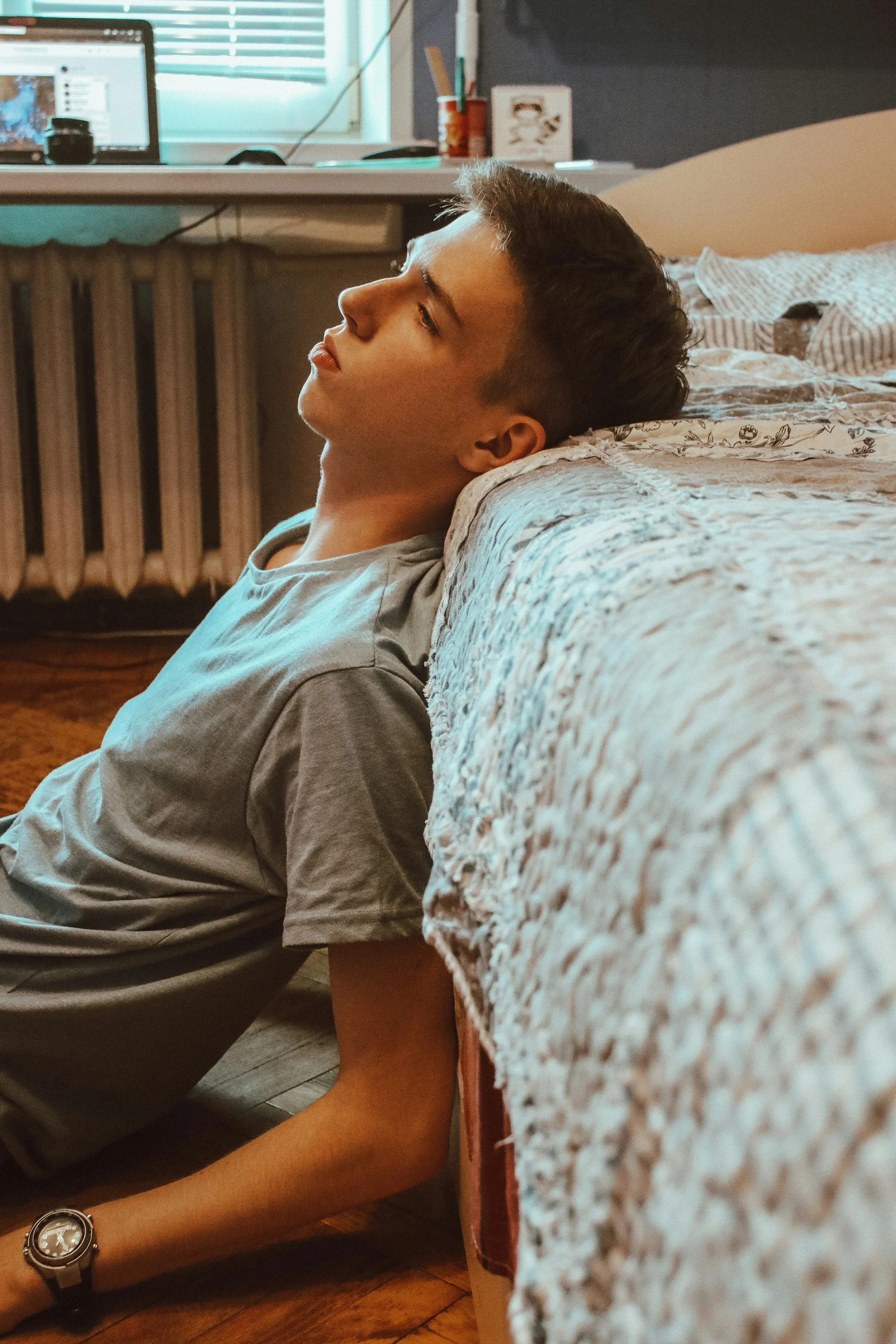
What's Actually Raising Cortisol in the Evening
We talk a lot about screens before bed—and yes, light exposure matters. But for teens, the bigger issue is often what's raising cortisol in the evening when it should be dropping.
This can include:
Stressful homework or studying late at night
Intense physical activity too close to bedtime
Social media scrolling (it's not just the light—it's the emotional activation)
Arguments or difficult conversations in the evening
Competitive gaming or other high-stimulation activities
Academic pressure and next-day worry
Understanding what's activating your teen's nervous system in the hours before bed is often more useful than a blanket "no screens after 9pm" rule.
Here's something I see a lot with teens: the worry about not sleeping becomes the thing that prevents sleep.
A teen lies in bed, mind racing. They know they have a big test tomorrow. They know sleep matters for performance. So they watch the clock, calculate how many hours they'll get if they fall asleep RIGHT NOW, and feel the anxiety climb.
That anxiety raises cortisol—the stress hormone that's supposed to be dropping in the evening to allow sleep to happen. And suddenly sleep feels even further away.
This is the anxiety-performance spiral, and it's incredibly common in teens. The good news? It responds really well to the right approach.

How I Work with Families of Teens
I meet you where you are—zero judgment, zero pressure to follow rigid schedules that don't match teen biology.
The goal in these early months isn't to "fix" your child’s sleep (nothing is broken).
The goal instead is to:
-

Build Realistic Expectations
Understanding what's developmentally normal takes so much pressure off. When you know your baby isn't "supposed" to sleep through the night yet, you can stop blaming yourself.
-
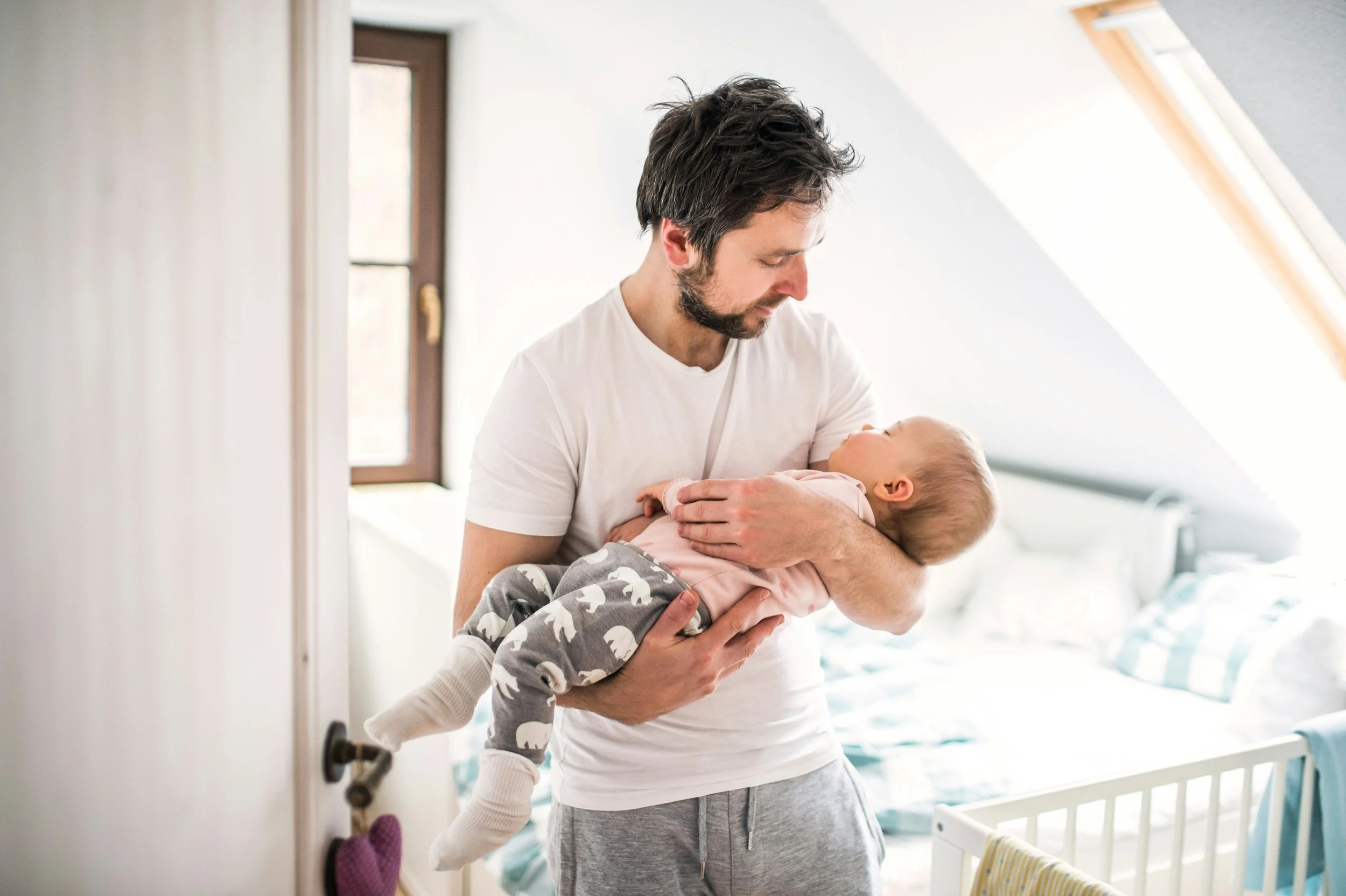
Establish Gentle Rhythms
We can't force a schedule, but we can create a flow to your days that supports your family and your baby’s development.
-

Create a foundation for healthy sleep habits.
The choices you make now set the stage for smoother sleep as your baby develops. We focus on what matters: safe sleep, establishing a daily rhythm, connection, and protecting your own rest.
-
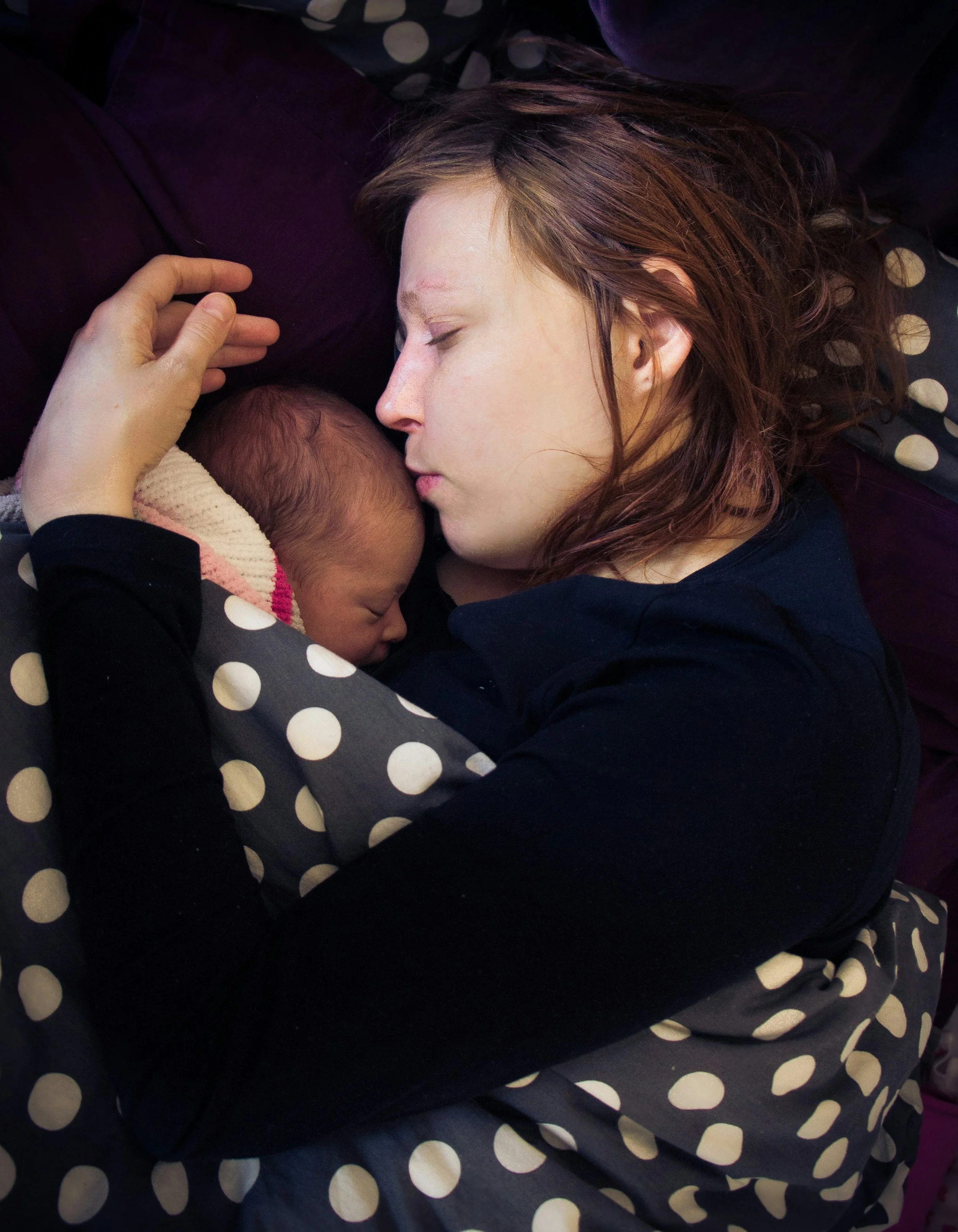
Support You
Newborn sleep coaching is as much about the parents as it is about the baby. We address your stress, your recovery, your nervous system regulation, and how to get the support you need to survive this phase.

You Don't Have to Do This Alone
Teen sleep struggles are exhausting for everyone—the teen who can't fall asleep and the parents who can't understand why.
Give yourself some grace. This phase is hard. But it's also temporary, and the right support can make a real difference. Every teen deserves stellar sleep. And every family deserves peaceful nights.
Ready to talk? Schedule a free 15-minute intro call to see if we're the right fit.

What You Get When You Work with Little Dipper
Your North Star Solution comes with:
A 45-minute Sleep Strategy Session where we dig into what's really going on and map out a plan
A custom Stellar Sleep Guide: a comprehensive, personalized plan built specifically for your child's age, temperament, and your family's values
60 days of Expert Support, including weekly office hours and email support, because questions always come up as we go
Follow-up handouts, checklists, and resources to keep you on track
Peace of mind knowing you have a clear path forward and expert support every step of the way

Not quite ready?
Download my freebies!
Click below to download free PDF guides that will help you on your path to stellar sleep.
-
![]()
Baby Sleep Needs and Sample Schedules
0-24 Months
-
![]()
Stellar Babies: How to Build a Healthy Sleep Foundation with Your Baby
Ebook
-
![]()
The Stellar Sleep Checklist
For All Ages