
Your Sleep Doesn't Have to Suffer
During Perimenopause.
With the right approach, we'll say goodbye to sleepless nights and hello to something that actually feels like rest.
With the right approach, we'll say goodbye to sleepless nights and hello to something that actually feels like rest.
Can Perimenopause Cause Sleep Issues?
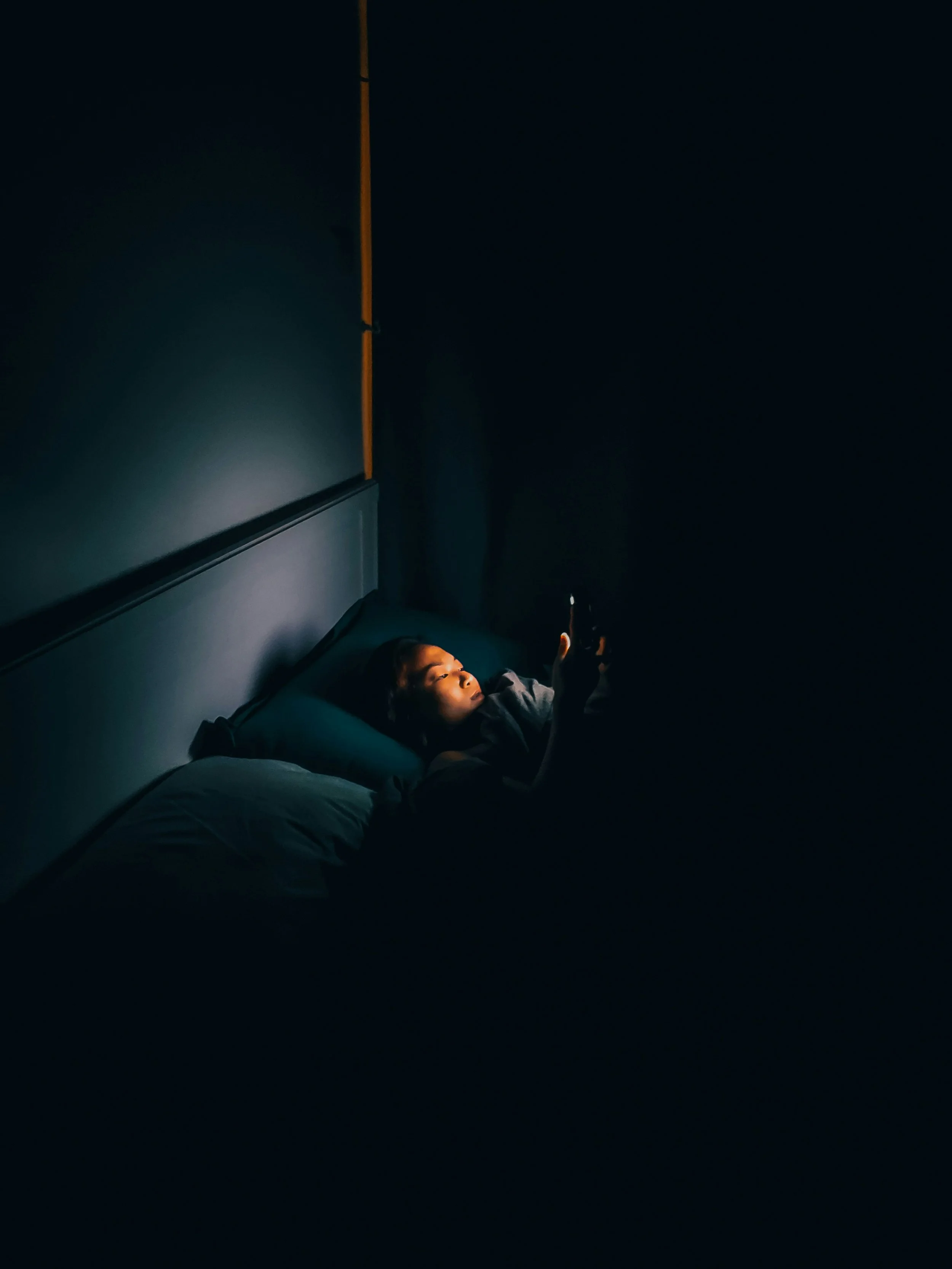
Insomnia may be one of your first obvious signs of perimenopause.
Maybe you're suddenly waking in the night with racing thoughts or a heart that won't settle. Or my personal favorite: soaked in your own sweat.
Maybe you've always had sleep troubles, but now they're even worse.
Or maybe you're waking at 3 or 4am for no obvious reason, wide awake and unable to drift back off.
That pattern is incredibly common in perimenopause and almost never has just one cause. The hormonal shifts of this season affect sleep in ways most women were never warned about, and changes in insulin sensitivity can trigger overnight cortisol responses that make staying asleep through the night so much harder than it should be.

Can You Improve Sleep During Perimenopause?
Yes. Absolutely, yes.
You may not be able to get away with three cups of coffee to start the day and three glasses of wine to end it anymore, but the changes that actually make a difference go way beyond beverage choices and screen time.
Sleep hygiene matters, and we'll cover it. But we're also going to work on your routine, your mindset, and your nervous system in ways that get at what's actually driving the disruption.
Sleep can be restful again. And you can wake up feeling like yourself.

How I Work with You
I meet you where you are—zero judgment, zero pressure to follow rigid schedules that don't match your biology.
I specialize in evidence-based sleep coaching, drawing from mindfulness practices and Cognitive Behavioral Therapy for Insomnia (CBT-I)—the gold standard in insomnia treatment.
We start by identifying the root cause(s) of what's disrupting your sleep. Because everyone's sleep patterns are different, and everyone's life is full of unique circumstances.
From there, we build a plan that's actually tailored to you—not a generic checklist. This might include:
Bedtime rituals you actually enjoy (and that make falling asleep easier)
Personalized sleep scheduling and circadian rhythm support
Techniques to release stress that your body is carrying
CBT-I tools for reframing the anxious thoughts that keep you awake
Addressing the underlying hormonal, emotional, and lifestyle factors at play
I understand—and personally feel—the unique challenges of this season of life. This isn't just clinical expertise. It's lived experience too.

You manage so much—for yourself and all the people who depend on you. You deserve rest that actually restores you.
Questions? Reach out at hello@littledipperwellness.com
Liz Harden, MPH | Founder, Lead Sleep Coach | Little Dipper Sleep

Not quite ready?
Download my freebies!
Click below to download free PDF guides that will help you on your path to stellar sleep.
-
![]()
Baby Sleep Needs and Sample Schedules
0-24 Months
-
![]()
Stellar Babies: How to Build a Healthy Sleep Foundation with Your Baby
Ebook
-
![]()
The Stellar Sleep Checklist
For All Ages