
Why Your Neurodivergent Child Can’t Sleep, and What’s Actually Going On
By Liz Harden, MPH
This is Post 1 of a three-part series on neurodivergence and sleep. Post 2 covers practical, neurodivergent-informed sleep strategies. Post 3 covers specific sleep conditions that disproportionately affect neurodivergent children and are frequently missed.
If bedtime in your house feels like a battle you didn’t sign up for, you’re not alone. For families of neurodivergent children, the end of the day can be the hardest part. And for the providers who support these families, it’s often the issue that comes up again and again without a satisfying answer.
Here’s what the research is clear on: for children with ADHD and autism, sleep difficulties are largely neurobiological. The circadian timing is different. The sensory experience of the sleep environment is different. The hormonal signals that prepare the brain and body for sleep work differently. Conventional sleep advice was written for neurotypical children, and it often falls flat for neurodivergent kids for reasons that have nothing to do with parenting, consistency, or effort.
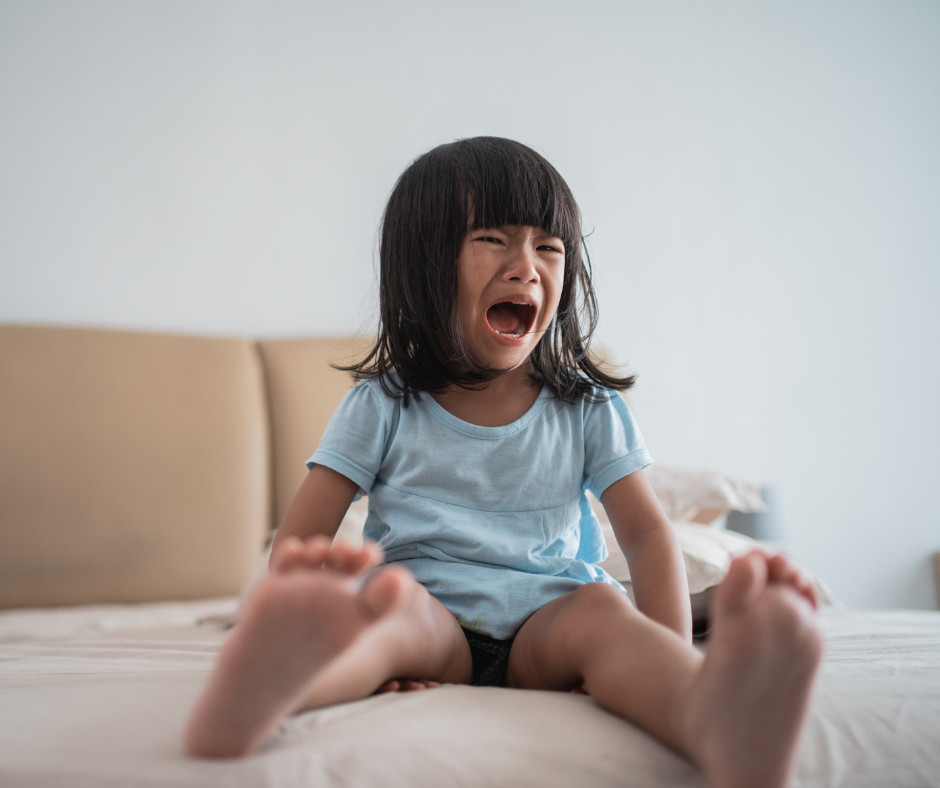
For most neurodivergent children, sleep difficulties are also multifactorial. The neurobiological piece is real and significant, and it’s the focus of this post. But behavioral patterns, learned associations, anxiety, and environmental factors almost always layer on top of the biology. Understanding the neurobiological foundation doesn’t mean the other factors don’t matter. It means you have to start somewhere, and the biology is usually where conventional approaches fall shortest.
While this post focuses on ADHD and autism, sensory processing differences affect sleep for many children with or without a formal diagnosis. We’ll go deeper on the sensory piece in Post 2.
Understanding what’s actually happening is the starting point. From there, there are approaches that account for how your child’s brain and body actually work. That’s what Posts 2 and 3 are for. This one is about the why.
How ADHD Affects Sleep: More Than Just Bedtime
If your child has ADHD, you already know the days are long. What many families don’t realize is that ADHD affects the entire 24-hour cycle, including sleep. The same neurological differences that show up during the day don’t stop at bedtime. And by the time evening rolls around, most parents are already running on empty, which makes an already hard situation feel even harder.
Why Many Children with ADHD Struggle to Fall Asleep at a Conventional Bedtime
Research shows that up to 78% of children with ADHD have a delayed circadian phase, meaning their internal clock runs significantly later than their neurotypical peers. [1] Melatonin onset is delayed by approximately 45 minutes on average. When you’re trying to get your child to sleep at a conventional bedtime, their brain may simply not be ready. The biological signal that sleep is approaching hasn’t arrived yet.
Pushing for an early bedtime against this biology night after night is exhausting for everyone and rarely produces lasting results. We’ll talk more about what to do about this in Post 2.
Why the ADHD Brain Struggles to Wind Down at Night
For many children with ADHD, the difficulty falling asleep at a conventional bedtime is rooted in a delayed circadian phase. The ADHD brain also has real difficulty disengaging at the end of the day, showing up as racing thoughts, a burst of energy right at bedtime, or an inability to stop a stimulating activity. The ADHD brain’s dopamine regulation and executive function differences make transitioning from high stimulation to low arousal hard. This is a neurological reality that bedtime strategies need to account for.
How ADHD Affects Sleep Quality, Not Just Sleep Onset
Sleep difficulty with ADHD isn’t only about falling asleep. Research points to differences in REM sleep architecture in children with ADHD, though findings vary across studies. [2] What is consistently documented is the overall burden of sleep disruption: up to 70% of children with ADHD experience insomnia symptoms, compared to around 19% of their neurotypical peers, and 65% meet criteria for a diagnosable sleep disorder compared to 17% of controls. [3] For children already navigating these challenges during the day, disrupted sleep compounds the difficulty significantly.
When Poor Sleep Mimics ADHD: What Parents and Providers Need to Know
Poor sleep worsens ADHD symptoms. Inattention, impulsivity, and emotional dysregulation all increase with sleep deprivation. Sleep deprivation can even produce ADHD-like symptoms in children who don’t have the diagnosis. [4] What looks like worsening ADHD is sometimes worsening sleep, and untangling that distinction is one of the most valuable things a provider or sleep coach can help with.
How Autism Affects Sleep: A Different Neurological Picture
Sleep problems are remarkably common in autistic children, affecting somewhere between 32 and 71% of this population. [5] That wide range reflects how differently sleep difficulties present across the spectrum. For some children it’s difficulty falling asleep. For others it’s frequent night wakings, early rising, or some combination of all three. The underlying mechanisms are well documented, and understanding them changes how we approach the problem.
Melatonin and Autism: Why the Biological Sleep Signal Often Arrives Late or Weakly
One of the most well-established findings in autism sleep research is melatonin dysregulation. Many autistic children have both a delayed onset of melatonin and reduced production overall. [6] The biological signal that sleep is approaching often arrives later and weaker. This is neurobiological in origin, and it’s one of the reasons melatonin is used more commonly in autistic children than in the general pediatric population.

Melatonin is widely studied and used in both ADHD and autistic populations, and research supports both its efficacy and safety for longer-term use in children with neurobiological melatonin dysregulation. [7] For many of these children, this isn’t a short-term fix while sleep habits are established. The underlying biology doesn’t change, and longer-term use under physician guidance is often appropriate and well-supported by the evidence. Dosing and timing matter a lot, so we’d encourage a conversation with your child’s physician to figure out what’s right for your child specifically.
How Autism Affects Sleep Architecture and Quality
Beyond falling asleep, the architecture of sleep itself is affected in autism. Polysomnographic research shows statistically significant reductions in both REM sleep proportion and duration in autistic children compared to neurotypical peers. [8] Some children with autism have virtually no REM sleep at all. Given REM sleep’s central role in emotional regulation, learning, and memory consolidation, the downstream effects on daytime functioning are significant and well documented.
How Sensory Sensitivities Disrupt Sleep in Autistic Children
For autistic children, the sleep environment adds another layer of complexity. The feel of sheets, the temperature of the room, a sound in the house at night. Things that go unnoticed by many children can be deeply distressing for a child with sensory processing differences. [9] A child who appears to simply refuse to stay in bed may be a child whose nervous system is registering the environment as uncomfortable or unsafe. Those are very different problems with very different solutions.
Why Bedtime Is Especially Hard for Autistic Children
Bedtime is a transition. From wakefulness to sleep, from connection to solitude, from the known to the unknown. For many autistic children, transitions are hard. Anxiety and difficulty with transitions compound sleep difficulties in ways that go beyond what a consistent routine alone can fix. We’ll look at the anxiety and sleep relationship more closely in Post 3.
How Poor Sleep Makes ADHD and Autism Harder to Live With
Poor sleep doesn’t just result from ADHD and autism. It makes them harder to live with.
Sleep deprivation increases inattention, impulsivity, emotional dysregulation, and sensory sensitivity in any child. In a child who is already navigating these challenges every day, the impact compounds quickly. A bad night doesn’t just mean a tired kid. It can mean a day that is significantly harder for everyone in the family. [10]
The cycle runs in both directions. Worsening behavior, more emotional dysregulation, more difficulty at school. These can look like the underlying condition getting worse when what’s actually happening is that sleep has gotten worse. Behavioral interventions alone are unlikely to resolve what is fundamentally a sleep problem. Addressing the sleep often changes the whole picture. [11]
For children who don’t have an ADHD or autism diagnosis, this is worth knowing too. Chronic sleep deprivation can produce ADHD-like symptoms in any child. Before attributing attention or behavior difficulties entirely to a neurodevelopmental profile, it’s always worth asking how the child is sleeping.
For providers, this bidirectional relationship is one of the most clinically important things to understand about sleep in neurodivergent children. A child whose ADHD symptoms suddenly worsen, or whose meltdowns are increasing, or who is regressing behaviorally may simply be sleeping worse. That’s a very different intervention than adjusting medication or increasing behavioral supports. Treatment guidelines for challenging behaviors in autism frequently fail to mention sleep at all. [12] Addressing sleep first is often the most efficient path forward.
What This Means for Your Family
Bedtime being hard doesn’t mean you’re failing. For neurodivergent children, the biology of sleep is more complex. The circadian differences, the sensory sensitivities, the melatonin dysregulation, the REM disruptions. These are real, documented neurobiological differences that conventional sleep advice wasn’t designed to address. The approaches that work for neurotypical children often don’t work for neurodivergent kids, and there’s a clear neurobiological reason for that.
Understanding what’s actually happening is the starting point. Post 2 in this series covers what to do about it: practical, neurodivergent-informed approaches to sleep foundations, sensory environment, routines, co-regulation, melatonin timing, and more. Post 3 goes deeper into specific conditions that disproportionately affect neurodivergent children and are frequently missed, including delayed sleep phase syndrome, restless leg syndrome, sleep apnea, and anxiety-driven sleep disruption.
If you’re in the thick of it right now and don’t want to wait, keep reading below.
Frequently Asked Questions
Why do neurodivergent children have sleep problems?
Sleep difficulties in neurodivergent children are largely neurobiological, though almost always multifactorial. Children with ADHD often have a delayed circadian phase, meaning their internal clock runs later than neurotypical peers, and the brain signal that prepares for sleep arrives later. Autistic children frequently have melatonin dysregulation, sensory sensitivities that make the sleep environment uncomfortable, and difficulty with the transition from wakefulness to sleep. Behavioral patterns and learned associations layer on top of this biology in most cases. These are neurobiological differences at the root, and they require approaches that account for how the brain and body actually work, not just behavioral strategies alone.
Why won’t my child with ADHD fall asleep at night?
For many children with ADHD, the difficulty falling asleep at a conventional bedtime is rooted in a delayed circadian phase. Their internal clock runs later, meaning the biological signal that sleep is approaching hasn’t arrived yet when you’re trying to put them to bed. The ADHD brain also has real difficulty disengaging and winding down at the end of the day. Racing thoughts, a burst of energy at bedtime, an inability to stop a stimulating activity. These reflect neurological differences in dopamine regulation and executive function, not a choice or a behavior to be managed away.
Why does my autistic child wake up in the middle of the night?
Night wakings in autistic children are common and can stem from several different sources, often overlapping. Fragmented sleep architecture, including differences in REM sleep and transitions between sleep cycles, can make sleep lighter and more prone to disruption. Sensory factors play a role too: a sound, a temperature change, or a physical sensation that a neurotypical child would sleep through may fully wake a child with sensory sensitivities. Behavioral patterns and learned associations can also contribute, and are often intertwined with the neurobiological picture rather than separate from it. In practice it’s frequently a combination of all of these, which is exactly why untangling what’s driving night wakings for a specific child requires looking at the whole picture.
Can sleep problems make ADHD or autism symptoms worse?
Yes, and this is one of the most important things to understand about sleep in neurodivergent children. Sleep deprivation directly worsens inattention, impulsivity, emotional dysregulation, and sensory sensitivity. In a child already navigating these challenges, the compounding effect is significant. What looks like a behavioral or neurodevelopmental change is sometimes actually a sleep change. Addressing sleep often improves the daytime picture considerably.
Does sleep training work for neurodivergent children?
Standard sleep training methods were designed for neurotypical children and often don’t translate well to neurodivergent kids. Applied without modification, they can be ineffective or counterproductive. Sleep support absolutely can work for neurodivergent children, though. The key is an individualized approach that starts from an understanding of the child’s specific neurological profile, sensory needs, and developmental stage, rather than applying a one-size-fits-all method. Post 2 in this series covers practical, neurodivergent-informed strategies in detail.
Is melatonin safe for children with ADHD or autism?
Melatonin is widely studied and used in both populations and is well-supported by the evidence for children with neurobiological melatonin dysregulation, including for longer-term use. Research on both short-term and long-term use in children with ADHD and autism shows meaningful improvements in sleep onset and duration with a generally favorable safety profile. Important nuances: immediate-release melatonin supports sleep onset only, not night wakings. Extended-release formulations may be more appropriate for some children. Timing matters significantly. And because melatonin is not FDA regulated in the US, product quality and dosing vary considerably. This conversation belongs with your child’s physician, who can guide appropriate use based on your child’s specific profile.
Ready for Support?
Every child deserves stellar sleep, including yours.
If you’re a parent navigating sleep challenges with a neurodivergent child and you’d like personalized support, I’d love to connect. I specialize in complex cases and families who need something more individualized than a standard sleep program. Schedule a free introductory call and we’ll talk through what’s going on and whether working together feels like a good fit.
If you work with neurodivergent children as an OT, SLP, PT, therapist, educator, early intervention specialist, or any other family-centered provider, I’d love to have a conversation about how we might work together. Whether that’s sleep education training, referral, consulting, or something else entirely, there are several ways to collaborate. Schedule a free introductory call and let’s talk. I’d love to hear about the sleep issues that are coming up in your work!

About the Author
Little Dipper Wellness was founded by Liz Harden, MPH, a pediatric sleep expert, educator, and speaker. With over a decade of clinical experience, Liz helps families build sustainable sleep solutions while also training family-centered professionals, providers, and educators to confidently support sleep challenges in their own practices.
Her approach combines current sleep science with individualized, responsive guidance—especially for families who haven't found success with traditional sleep training methods.
Because every human deserves stellar sleep.
References
The following peer-reviewed sources and authoritative resources informed this article.
1. Van Veen, M.M., Kooij, J.J., Boonstra, A.M., Gordijn, M.C., & Van Someren, E.J. (2010). Delayed circadian rhythm in adults with attention-deficit/hyperactivity disorder and chronic sleep-onset insomnia. Biological Psychiatry, 67(11), 1091–1096. https://doi.org/10.1016/j.biopsych.2009.12.032
2. Cortese, S., Faraone, S.V., Konofal, E., & Lecendreux, M. (2006). Sleep in children with attention-deficit/hyperactivity disorder: meta-analysis of subjective and objective studies. Journal of the American Academy of Child & Adolescent Psychiatry, 45(8), 894–903. https://doi.org/10.1097/01.chi.0000220320.96720.fd
3. Youssef, N.A., Ege, M., Angly, S.S., Strauss, J.L., & Marx, C.E. (2011). Is obstructive sleep apnea associated with ADHD? Annals of Clinical Psychiatry, 23(3), 213–224. PMC: https://pmc.ncbi.nlm.nih.gov/articles/PMC12029080/
4. Gruber, R., Wiebe, S., Montecalvo, L., Brunetti, B., Amsel, R., & Carrier, J. (2011). Impact of sleep restriction on neurobehavioral functioning of children with attention deficit hyperactivity disorder. Sleep, 34(3), 315–323. https://doi.org/10.1093/sleep/34.3.315
5. Richdale, A.L., & Schreck, K.A. (2009). Sleep problems in autism spectrum disorders: prevalence, nature, and possible biopsychosocial aetiologies. Sleep Medicine Reviews, 13(6), 403–411. https://doi.org/10.1016/j.smrv.2009.02.003
6. Tordjman, S., Davlantis, K.S., Georgieff, N., et al. (2015). Autism as a disorder of biological and behavioral rhythms: toward new therapeutic perspectives. Frontiers in Pediatrics, 3, 1. https://doi.org/10.3389/fped.2015.00001
7. Maras, A., Schroder, C.M., Malow, B.A., et al. (2018). Long-term efficacy and safety of pediatric prolonged-release melatonin for insomnia in children with autism spectrum disorder. Journal of Child and Adolescent Psychopharmacology, 29(2), 99–106. https://doi.org/10.1089/cap.2018.0020
8. Ma, Y., et al. (2025). REM sleep abnormalities in children with autism spectrum disorder. Autism Research, 18(3). https://doi.org/10.1002/aur.70222
9. Mazurek, M.O., Petroski, G.F. (2015). Sleep problems in children with autism spectrum disorder: examining the contributions of sensory over-responsivity and anxiety. Sleep Medicine, 16(2), 270–279. https://doi.org/10.1016/j.sleep.2014.11.006
10. Becker, S.P., Langberg, J.M., & Byars, K.C. (2015). Advancing a biopsychosocial and contextual model of sleep in pediatric populations: a review and introducing the ecologically-valid model of children’s sleep. Clinical Child and Family Psychology Review, 18(1), 1–16. https://doi.org/10.1007/s10567-014-0173-6
11. Becker, S.P., Epstein, J.N., Tamm, L., et al. (2019). Examining bidirectional associations between sleep and behavior among children with attention-deficit/hyperactivity disorder. Journal of Child Psychology and Psychiatry, 60(11). PMC: https://pmc.ncbi.nlm.nih.gov/articles/PMC10519735/
12. Hollway, J.A., & Aman, M.G. (2011). Sleep correlates of pervasive developmental disorders: a review of the literature. Research in Developmental Disabilities, 32(5), 1399–1421. https://doi.org/10.1016/j.ridd.2011.04.001