
When Sleep Struggles Run Deeper: Conditions That Are Frequently Missed in Neurodivergent Children
By Liz Harden, MPH
This is Post 3 of a three-part series on neurodivergence and sleep. Post 1 covers the neurobiology behind why ADHD and autism affect sleep. Post 2 covers practical, neurodivergent-informed sleep strategies.
Neurodivergent children are disproportionately affected by certain conditions that have biological roots and that often look like something else entirely. A child who resists bedtime, can’t stay still, or wakes consistently through the night may simply be a child whose sleep challenges haven’t been fully understood yet.
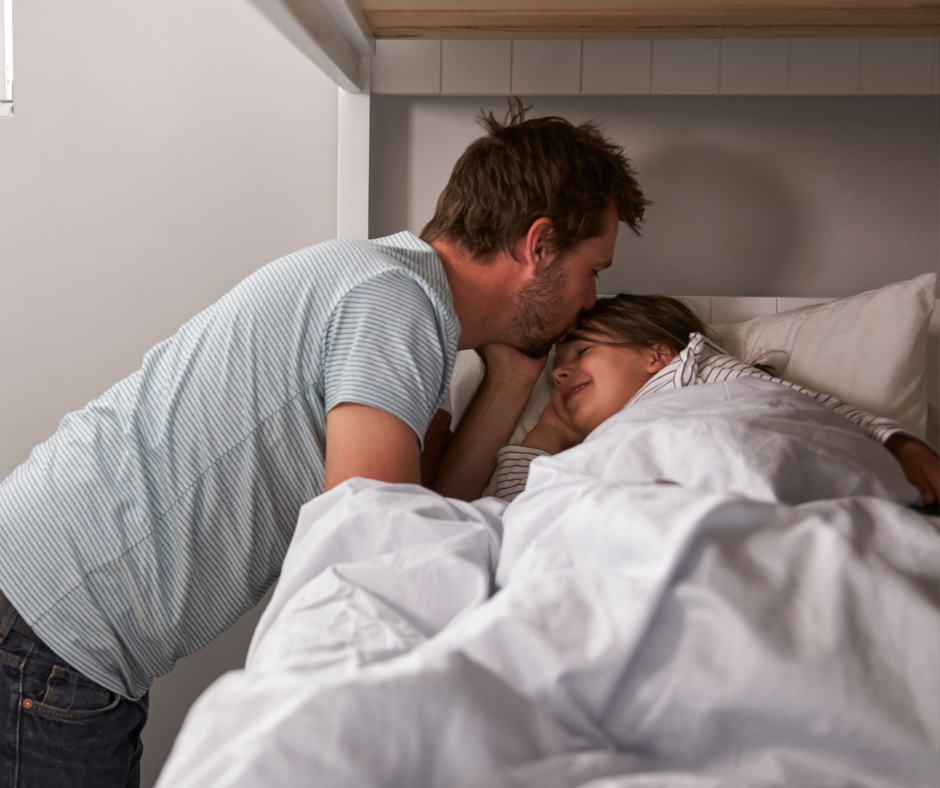
This post is an educational overview of four conditions that come up regularly in the world of neurodivergent sleep: Delayed Sleep Phase Syndrome, Restless Leg Syndrome, sleep apnea, and anxiety. What these conditions share is that they can present in ways that look behavioral, a child who won’t settle, won’t stay in bed, or can’t seem to wind down, when what’s actually happening has a biological or physiological explanation. Having this awareness can help you ask better questions, consider potential root causes, and have more informed conversations with your child’s care team.
Research confirms that these conditions are common yet often underdiagnosed in children with ADHD and autism. [1, 2] That’s not because providers aren’t trying. It’s because the symptoms overlap with the presentations families and clinicians are already tracking, making it easy to absorb everything into the existing picture.
If you haven’t read Posts 1 and 2 in this series, they cover the neuroscience of why neurodivergent children struggle with sleep and what practical strategies tend to help.
Delayed Sleep Phase Syndrome: When a Late Bedtime Is a Biology Problem, Not a Behavior Problem
Most people think of sleep timing as a habit, something that can be shifted with enough consistency and discipline. For children with Delayed Sleep Phase Syndrome, that framing misses the point entirely.
DSPS is a circadian rhythm condition in which the internal clock runs significantly later than what’s socially expected. A child with DSPS isn’t choosing to stay up late. Their biology is signaling that it isn’t time to sleep yet. Melatonin rises later, the circadian signal that sleep is approaching arrives later, and the window where the body is truly ready for sleep shifts significantly beyond what most schedules accommodate.
Research confirms that delayed sleep-wake phase is highly prevalent in both autistic children and children with ADHD. [3] DSPS is also frequently misdiagnosed or overlooked in these populations, leading to ineffective treatments and continued sleep struggles. [4]
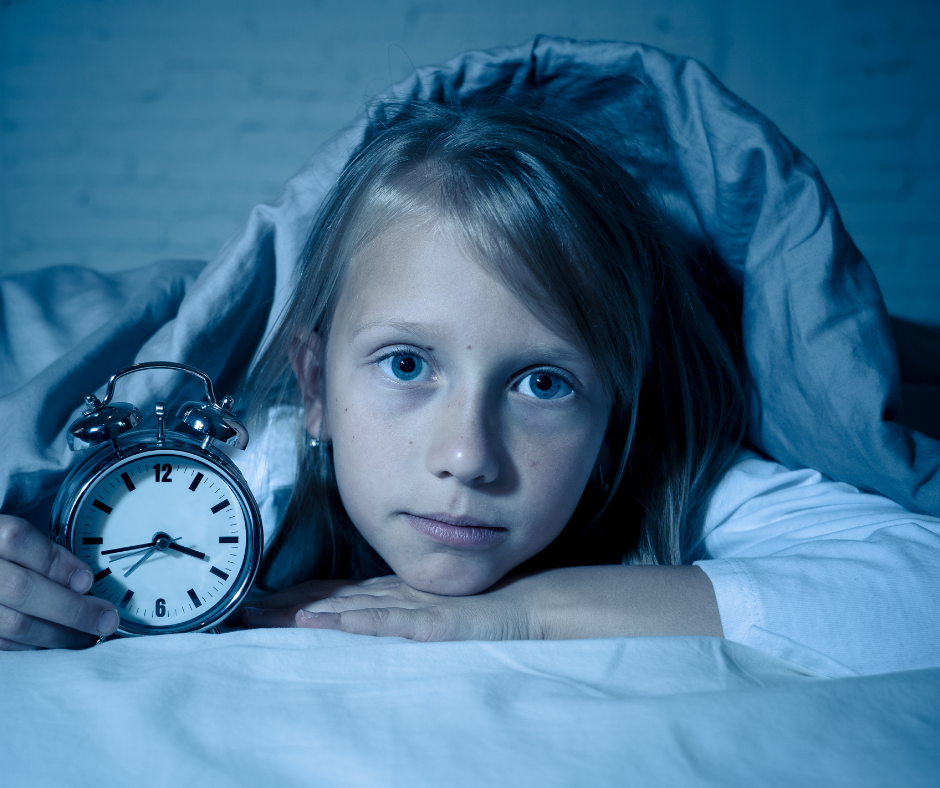
What this looks like in practice: a child who cannot fall asleep at a conventional bedtime, who is alert and activated late into the evening, and who has significant difficulty waking in the morning. Across the school week this often results in chronic sleep deprivation, because wake time is fixed by school schedules even when sleep onset is delayed.
This is also where DSPS is easy to confuse with a behavioral problem. The child who won’t go to sleep and can’t wake up in the morning may not be being difficult. Their internal clock is running on a different schedule.
DSPS is treatable. A review of 19 randomized controlled trials in children and adolescents found that melatonin treatment consistently improved sleep onset by 22 to 60 minutes without serious adverse effects. [5] Morning bright light therapy has also been shown to advance the sleep-wake rhythm over time. [6] These approaches work by gradually nudging the internal clock earlier rather than forcing a bedtime the body isn’t ready for.
If you suspect DSPS is a factor for your child, a conversation with their physician is the right next step. The treatment is specific, the timing of interventions matters, and getting it right makes a meaningful difference.
Restless Leg Syndrome: When the Body Won’t Let a Child Settle
Restless Leg Syndrome involves an uncomfortable, irresistible urge to move the legs, usually accompanied by sensations that are difficult to describe. Crawling, tingling, pulling, or an internal restlessness that gets worse when the body is still. It tends to peak in the evening and at night, right when a child is supposed to be settling for sleep.
In adults, RLS is more commonly recognized. In children, it’s frequently missed, partly because children often can’t articulate what they’re feeling, and partly because what they can describe sounds like something else. Growing pains. Bedtime resistance. An inability to stay still. Research suggests that growing pains and RLS share common physiological roots and that growing pains may in some cases be an early form of RLS. [7]
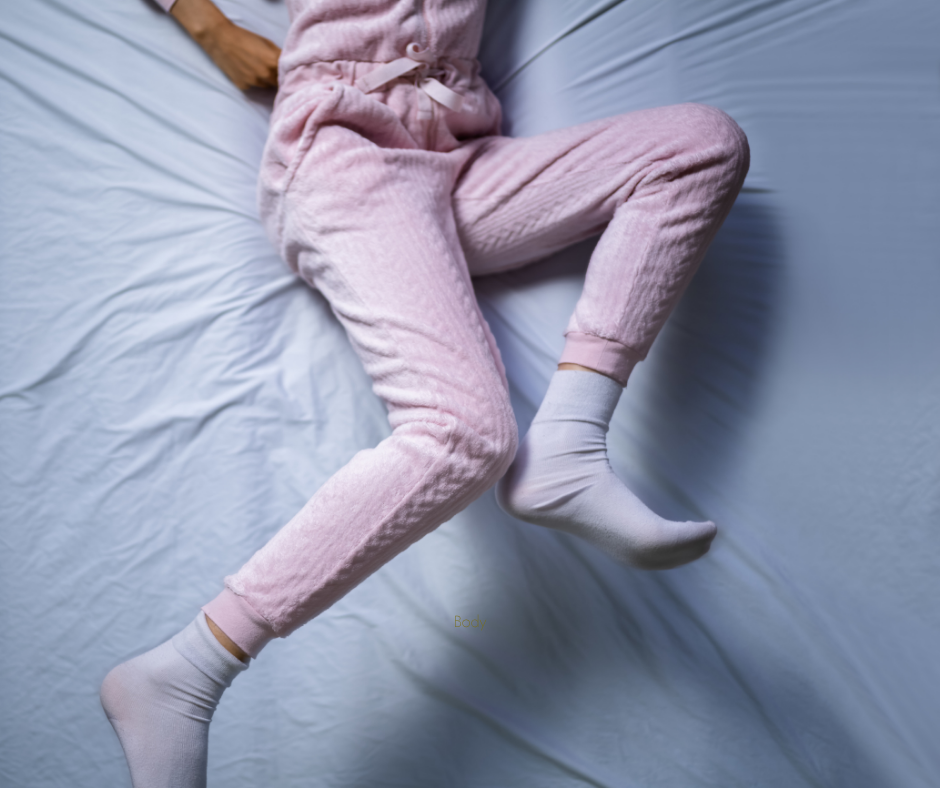
The connection to ADHD is particularly significant. A 2025 systematic review found that RLS prevalence in children and adolescents with ADHD ranges from 11 to 54% across studies. [8] The symptoms can also mimic each other: restlessness, inattention, and difficulty settling can be produced both by ADHD and by the sleep disruption that untreated RLS causes. This makes it easy to attribute everything to ADHD when RLS may be a separate, treatable factor.
The relationship between RLS and iron is real but nuanced, and important to understand before drawing any conclusions. Low ferritin levels, a specific marker of iron storage, are commonly associated with RLS, and the threshold that matters for neurological functioning is higher than what a standard blood test flags as iron deficient. [9] This means a child can have ferritin levels that appear normal on routine bloodwork but are suboptimal for the brain and nervous system. However, RLS also has genetic roots that exist independently of iron status. [10] Not every child with RLS has low ferritin, and giving iron supplements without proper testing and physician guidance is not safe and may not help at all if iron isn’t part of the picture.
If your child complains of uncomfortable leg sensations at bedtime, has what seem like growing pains that reliably worsen in the evening, or shows a pattern of being unable to stay still at sleep onset, bring it up with their physician. They can order the right tests, interpret the results in the context of RLS specifically, and guide treatment appropriately.
Sleep Apnea: When Daytime Symptoms Are Actually a Nighttime Problem
Obstructive sleep apnea occurs when the airway partially or fully blocks during sleep, disrupting breathing and preventing restorative rest. It affects up to 4% of children in the general population, and research consistently shows higher rates in both autistic children and children with ADHD. [11]
What makes sleep apnea particularly important to understand in the context of neurodivergence is how it presents during the day. The daytime symptoms of untreated sleep apnea, including sleepiness, inattention, irritability, hyperactivity, and behavioral dysregulation, overlap significantly with ADHD and some features of autism. [11] This means that when a child already has one of these diagnoses, sleep apnea can go uninvestigated because the symptoms get absorbed into the existing picture.
For children with ADHD who are on stimulant medication, there’s an additional consideration. Stimulants can improve daytime attention and behavior without addressing an underlying sleep condition. A child may appear more regulated during the day while still experiencing significant breathing disruptions at night. Because the daytime picture has improved, sleep apnea may never get investigated. Research confirms that children with both ADHD and obstructive sleep apnea who are prescribed stimulants do not show improvements in their breathing disruptions during sleep, meaning the long-term consequences of untreated apnea continue regardless of how well they’re functioning during the day. [12]
Nighttime signs to know: snoring, mouth breathing, gasping or pausing during sleep, restless and fragmented sleep, and bedwetting in a child who was previously dry at night. Not every child with sleep apnea snores loudly. Some present more quietly, which is another reason it can be missed.
If any of these signs are familiar, bring them up with your child’s physician. Diagnosis requires physician evaluation and typically a sleep study. Sleep apnea is treatable, and addressing it can produce meaningful improvements in the symptoms families have been attributing to neurodivergence alone.
Anxiety and Sleep: Why Bedtime Is Often When Anxiety Peaks
Anxiety and sleep have a bidirectional relationship that is particularly relevant for neurodivergent children. Anxiety makes falling asleep harder, increases night wakings, and reduces overall sleep quality. Poor sleep amplifies anxiety, raising cortisol, reducing emotional regulation capacity, and making anxious thoughts harder to manage the next day. For families caught in this cycle, it can feel impossible to break from the inside.
Part of why anxiety disrupts sleep so effectively is biological. Falling asleep requires the brain to feel safe enough to let go of vigilance. Anxiety keeps the brain in a state of arousal and alertness, scanning for threat even when the environment is calm. During the day, activity and distraction naturally pull attention outward. At bedtime, those distractions disappear. The quiet and stillness of bedtime can actually intensify anxiety, as the brain turns inward toward worries and rumination without anything else competing for its attention. Research confirms this: anxious children are particularly vulnerable to focusing inward when lying in bed without external distractions, which is why bedtime is often when anxiety peaks. [13]
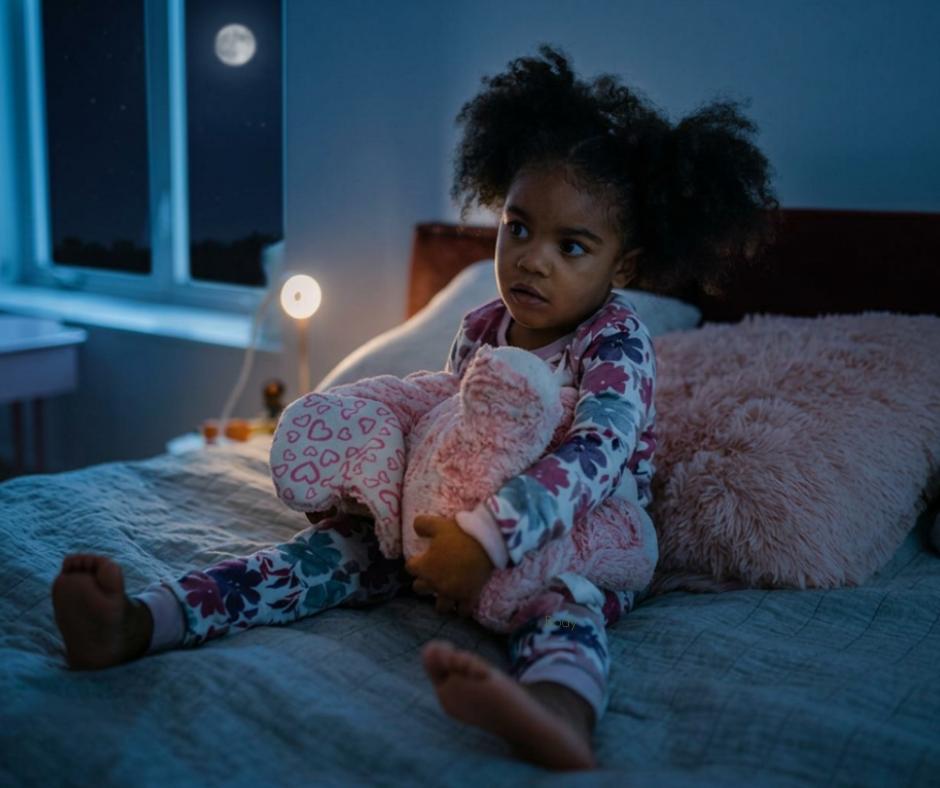
Anxiety is highly prevalent in both ADHD and autism. Research shows that children with comorbid ADHD and anxiety have significantly longer sleep onset delays, shorter sleep duration, and greater daytime sleepiness than children with ADHD alone. [14] For autistic children, anxiety is one of the most strongly connected factors in sleep difficulty, meaning that when anxiety is high, sleep tends to suffer across multiple dimensions simultaneously. [15]
Anxiety at bedtime doesn’t always look like what we expect. A child who asks for repeated reassurance, who needs the caregiver present to fall asleep, who comes out of the bedroom multiple times, who complains of stomach aches or headaches at bedtime. These can all be expressions of anxiety rather than behavioral resistance.
There are things parents can work on at home that support anxious children at bedtime. Co-regulation and a calm caregiver presence create the felt safety that an anxious nervous system needs to settle. Mindfulness and relaxation practices have research support for reducing anxiety and improving sleep quality in children and adolescents. [16] A consistent, predictable routine reduces the uncertainty that feeds anxiety at bedtime.
When anxiety is the primary driver of sleep difficulties and these strategies aren’t enough, a referral to a mental health provider is the right next step. Cognitive Behavioral Therapy for Insomnia, known as CBT-I, is the recommended first-line treatment for chronic insomnia with anxiety and has shown effectiveness in children and adolescents with ADHD and autism specifically. [17]
A note for providers: The conditions covered in this post are well within the awareness of most providers who work with neurodivergent families, but they are frequently not the first place the conversation goes when sleep comes up. Keeping DSPS, RLS, sleep apnea, and anxiety on the differential when families report persistent sleep struggles, even when those struggles seem behavioral on the surface, can change the outcome considerably. If sleep-specific support would help a family you’re working with, I’d welcome the referral.
You Know Your Child
One of the most exhausting parts of parenting a neurodivergent child is not knowing whether what you’re seeing is behavioral, biological, or somewhere in between. The conditions covered in this post don’t affect every neurodivergent child. But they are real, they are more common in these populations than in the general pediatric population, and they are frequently overlooked.
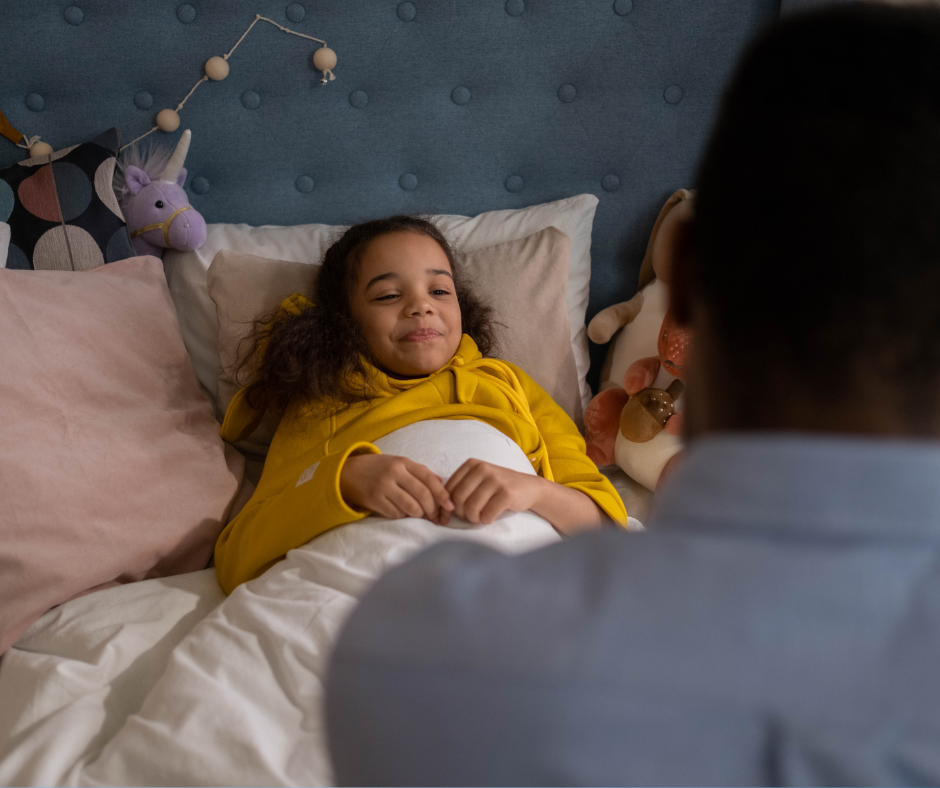
Having this awareness is validating in itself. What looks like a child who refuses to go to bed might be a child whose internal clock runs three hours later than the schedule demands. What looks like bedtime hyperactivity might be a child whose legs won’t let them rest. What looks like ADHD getting worse might be a child who hasn’t been sleeping well enough for months because no one checked for sleep apnea.
When something feels off and the standard advice isn’t working, that instinct deserves to be taken seriously. Knowing these conditions exist gives you something concrete to bring to your child’s care team, and sometimes that’s exactly what changes the conversation.
Read Post 1: Why Your Neurodivergent Child Can’t Sleep, and What’s Actually Going On
Read Post 2: Better Sleep for Neurodivergent Kids: What Actually Works for ADHD and Autism
Frequently Asked Questions
What is Delayed Sleep Phase Syndrome and how does it affect children with ADHD or autism?
Delayed Sleep Phase Syndrome is a circadian rhythm condition in which the internal clock runs significantly later than what’s socially expected. The biological signal that sleep is approaching, driven by melatonin onset, arrives later than it does for neurotypical children. This means a child with DSPS isn’t choosing to stay up late. Their body genuinely isn’t ready for sleep at a conventional bedtime. DSPS is highly prevalent in children with ADHD and autism, where circadian delays are already more common. It’s frequently mistaken for behavioral non-compliance, especially in school-age children whose sleep deprivation accumulates across the week because wake time is fixed regardless of when they fell asleep.
Can restless leg syndrome cause sleep problems in children with ADHD?
Yes, and the connection is significant. RLS prevalence in children with ADHD ranges from 11 to 54% across studies, making it one of the most underrecognized contributors to sleep difficulty in this population. The symptoms overlap in ways that make it easy to miss: restlessness, difficulty settling, and inattention can all be produced both by ADHD and by the sleep disruption that untreated RLS causes. Children with RLS often can’t articulate what they’re experiencing, describing it instead as growing pains, jumpy legs, or an inability to get comfortable. If your child consistently complains of leg discomfort at bedtime or has what seem like growing pains that worsen in the evening, it’s worth raising with their physician.
Can sleep apnea look like ADHD in children?
Yes. The daytime symptoms of untreated sleep apnea, including inattention, hyperactivity, irritability, and behavioral dysregulation, overlap significantly with ADHD. In a child who already has an ADHD diagnosis, these symptoms can be absorbed into the existing picture rather than prompting an investigation into sleep. For children on stimulant medication, this is particularly important: stimulants can improve daytime functioning without addressing the underlying breathing disruption, meaning sleep apnea continues to affect the child at night even when the daytime picture looks better. Nighttime signs to watch for include snoring, mouth breathing, gasping or pausing during sleep, and restless fragmented sleep.
Why does my child’s anxiety get worse at bedtime?
Bedtime removes the distractions that naturally pull attention outward during the day. In the quiet and stillness of the bedroom, the brain turns inward, and for anxious children that means worries and rumination have more space to surface. Anxiety also keeps the nervous system in a state of alertness and vigilance, which is the opposite of the calm, safe state the brain needs to transition into sleep. For neurodivergent children who already have higher rates of anxiety, this can make bedtime one of the hardest parts of the day. Co-regulation, a calm and present caregiver, and a predictable routine that reduces uncertainty are all things that support anxious children at bedtime.
What is CBT-I and does it work for children with ADHD or autism?
CBT-I stands for Cognitive Behavioral Therapy for Insomnia. It’s a structured therapeutic approach that addresses the thoughts, behaviors, and sleep patterns that perpetuate insomnia, without medication. It is the recommended first-line treatment for chronic insomnia and has been studied in children and adolescents with ADHD and autism specifically, where research shows it can be effective. CBT-I typically involves working with a trained mental health provider and may need to be adapted for neurodivergent children. If anxiety is a primary driver of your child’s sleep difficulties and behavioral strategies at home aren’t enough, a referral to a provider trained in CBT-I is a reasonable next step.
When should I ask for a sleep study for my neurodivergent child?
A sleep study is typically recommended when sleep apnea is suspected. Signs that warrant a conversation with your child’s physician include snoring, mouth breathing, gasping or pausing during sleep, very restless or fragmented sleep, and significant daytime sleepiness despite adequate time in bed. A sleep study may also be considered if other sleep interventions have been tried without success and there’s a question about whether an underlying physiological factor is contributing. Your child’s physician can help determine whether a referral to a sleep specialist is appropriate.
Ready for Support?
Every child deserves stellar sleep, including yours.
If your family has been navigating sleep challenges without clear answers, I’d love to connect. I specialize in complex cases and families who need an approach built around their child, not a pre-packaged plan. Sometimes having a knowledgeable second set of eyes on the full picture is exactly what changes things. Schedule a free introductory call and we’ll talk through what’s going on and whether working together feels like a good fit.

Schedule a Free Introductory Call
If you’re a provider, clinician, or educator who works with neurodivergent children and their families, I’d welcome a conversation about how we might work together. Whether that’s training, referral partnerships, consulting, or something else entirely, there are several ways to collaborate.
About the Author
Little Dipper Wellness was founded by Liz Harden, MPH, a certified pediatric sleep coach, public health-trained educator, and certified mindfulness and yoga instructor. With over a decade of clinical experience, Liz specializes in individualized, evidence-based sleep support for families, including those who haven’t found success with traditional approaches. She and her team also offer provider training, consulting, and speaking for pediatric providers, early intervention teams, and family-centered professionals. Her approach is grounded in current sleep science and responsive to each family’s unique needs, values, and circumstances.
Because every human deserves stellar sleep.
References
This article draws on the following peer-reviewed research:
Estes, A., Hillman, A., & Chen, M.L. (2024). Sleep and autism: Current research, clinical assessment, and treatment strategies. Focus, 22(2), 162-169. https://doi.org/10.1176/appi.focus.20230028
Biondic, D., et al. (2024). Polysomnographic insights into the ADHD and obstructive sleep apnea connection in children. Frontiers in Sleep.https://doi.org/10.3389/frsle.2024.1451869
Lok, R., et al. (2025). The sleep-circadian connection: Pathways to understanding and supporting autistic children and adolescents and those with ADHD. The Lancet Child and Adolescent Health.https://doi.org/10.1016/S2352-4642(25)00211-1
ADDitude Magazine. (2025). Late nights, later days: The under-recognized impact of delayed sleep phase syndrome in ADHD. https://www.additudemag.com/delayed-sleep-phase-syndrome-signs-treatments-adhd/
van Geijlswijk, I.M., et al. (2021). Efficacy and safety of supplemental melatonin for delayed sleep-wake phase disorder in children. Sleep Medicine Reviews.https://pmc.ncbi.nlm.nih.gov/articles/PMC8041131/
Bjornstad, G.J., et al. (2025). How do youth with delayed sleep-wake phase disorder experience a chronobiological treatment protocol? Frontiers in Sleep.https://doi.org/10.3389/frsle.2025.1555160
Ferri, R., et al. (2025). Restless legs syndrome and growing pains in childhood: Understanding the link. Frontiers in Neurology.https://doi.org/10.3389/fneur.2025.1603694
Ghayad, T., Mungo, A., & Hein, M. (2025). Prevalence and clinical impact of restless legs syndrome in pediatric populations with ADHD: A systematic review. Clocks and Sleep.https://pmc.ncbi.nlm.nih.gov/articles/PMC12452460/
Rosen, G.M., et al. (2019). Does improvement of low serum ferritin improve symptoms of restless legs syndrome in a cohort of pediatric patients? Journal of Clinical Sleep Medicine.https://pmc.ncbi.nlm.nih.gov/articles/PMC6707048/
Xiao, G., et al. (2024). Association among ADHD, restless legs syndrome, and peripheral iron status. Frontiers in Psychiatry.https://doi.org/10.3389/fpsyt.2024.1310259
Estes, A., Hillman, A., & Chen, M.L. (2024). Sleep and autism: Current research, clinical assessment, and treatment strategies. Focus, 22(2), 162-169. https://doi.org/10.1176/appi.focus.20230028
Biondic, D., et al. (2024). Polysomnographic insights into the ADHD and obstructive sleep apnea connection in children. Frontiers in Sleep.https://doi.org/10.3389/frsle.2024.1451869
Alfano, C.A., Ginsburg, G.S., & Kingery, J.N. (2017). Anxiety sensitivity and sleep-related problems in anxious youth. PMC. https://pmc.ncbi.nlm.nih.gov/articles/PMC5340315/
Becker, S.P., et al. (2018). Moderating roles of bedtime activities and anxiety/depression in the relationship between ADHD symptoms and sleep problems in children. PMC. https://pmc.ncbi.nlm.nih.gov/articles/PMC6148953/
Sommers, L., et al. (2025). The connection between sleep problems and emotional and behavioural difficulties in autistic children: A network analysis. Journal of Autism and Developmental Disorders.https://pmc.ncbi.nlm.nih.gov/articles/PMC11933199/
Dunning, D.L., et al. (2019). Research review: The effects of mindfulness-based interventions on cognition and mental health in children and adolescents. Journal of Child Psychology and Psychiatry, 60(3), 244-258. https://doi.org/10.1111/jcpp.12980
Cullen, M., et al. (2025). Effectiveness of cognitive behavioural therapy for insomnia (CBT-I) in individuals with neurodevelopmental conditions: A systematic review. Journal of Sleep Research.https://pmc.ncbi.nlm.nih.gov/articles/PMC12426716/